The short answer
An aerobic septic system (aerobic treatment unit, or ATU) costs $10,000 to $20,000 to install, according to Angi's 2026 data, while HomeGuide puts an engineered ATU at $20,000 to $40,000 or more. That compares with $3,000 to $8,000 for a conventional system per Angi. Aerobic systems also carry ongoing costs: InspectApedia estimates $25 to $250 a year for aerator electricity, $200 to $300 for supplies, and $200 to $800 for inspections and maintenance.
An aerobic septic system costs $10,000 to $20,000 to install in 2026, according to Angi, and $20,000 to $40,000 or more according to HomeGuide. An aerobic treatment unit (ATU) also costs more to own than a conventional septic system, because it runs on electricity and needs regular professional service. Plan for both the installation price and the yearly operating cost.
How much does an aerobic septic system cost to install?
An aerobic septic system costs well above a conventional system to install. Publishers report these installation figures:
| System | Installed cost | Source |
|---|---|---|
| Aerobic treatment unit | $10,000–$20,000 | Angi (2026) |
| Aerobic treatment unit (engineered) | $20,000–$40,000+ | HomeGuide |
| Aerobic treatment system, Oklahoma bids | $5,500–$5,700 (2015, incl. 2-year warranty) | Oklahoma State University Extension |
| Conventional anaerobic system, for comparison | $3,000–$8,000 | Angi (2026) |
Oklahoma State University’s figures come from 2015 bids in one state and included a two-year warranty and four routine inspections, so they are lower than current national ranges. HomeGuide adds design and engineering fees of $1,000 to $3,000 for engineered systems. For a full comparison of installation prices by system type, see septic system installation cost.
Why aerobic systems cost more to install
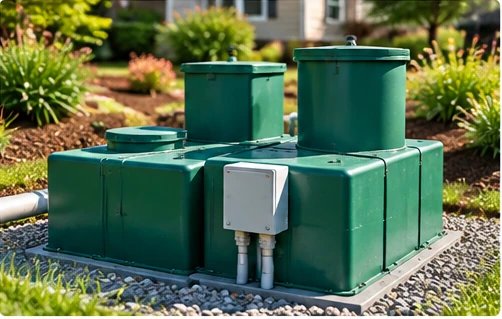
An aerobic system costs more because it adds treatment equipment a conventional system does not have. Texas A&M AgriLife Extension describes an ATU as a trash tank, an aeration chamber with an air pump, a clarifier, and a final stage with disinfection, a pump tank and dispersal, often by spray heads. Angi notes that aerobic systems are more expensive to install than anaerobic systems, which are simpler but need larger drain fields.
How much does an aerobic septic system cost to maintain?
An aerobic septic system’s yearly operating cost is the main difference from a conventional system over time. InspectApedia breaks the yearly costs down this way:
| Yearly cost | Estimate (InspectApedia) |
|---|---|
| Aerator electricity | $25–$250 |
| Effluent pump electricity | $25–$250 |
| Supplies, including disinfection tablets and filters | $200–$300 |
| Inspections and maintenance | $200–$800 |
Pumping is extra and not an annual expense, according to InspectApedia. Oklahoma State University Extension reported a one-year service contract at $150 to $225 and a one-time inspection at $190 in 2015.
Maintenance contract
An aerobic septic maintenance contract covers routine inspections, testing and reporting. Texas A&M AgriLife Extension says a service contract should list how often visits happen, what the base price includes, which parts are covered, what costs extra, the response time for complaints, and who maintains the disinfection device. It also says maintenance agreement fees are comparable to or less than those charged for centralized sewer service.
Fort Bend County, Texas, notes that unless a contract says otherwise, the maintenance provider is not responsible for pumping or cleaning tanks, maintaining the disinfection unit, replacing broken spray heads, or damage from power failures or homeowner misuse. Those items can add cost beyond the contract price.
Electricity
An aerobic septic system needs continuous power. Angi says the system “needs a constant power supply to run the aerator and other components,” and its types-of-systems guide notes that electricity increases operating costs. Texas A&M AgriLife Extension adds that the aerobic microbes depend on air from the aeration system to survive. InspectApedia puts aerator electricity at $25 to $250 a year depending on local rates.
Chlorine and supplies
Aerobic systems that disinfect effluent with chlorine need a steady supply of it. Oklahoma State University Extension says homeowners must add chlorine and pay for it, and Texas A&M AgriLife Extension advises keeping chlorine tablets in the chlorinator. InspectApedia estimates supplies, including disinfection tablets, at $200 to $300 a year.
Pumping
An aerobic system still needs pumping. Texas A&M AgriLife Extension recommends pumping the trash tank on a schedule similar to a septic tank, every 2 to 3 years, with the aeration chamber pumped based on a settleability test. The septic tank pumping cost guide lists current pumping prices.
Are aerobic maintenance contracts required?
Aerobic maintenance contracts are required in some states and counties. In Texas, the TCEQ requires the maintenance provider to submit a report to the permitting authority and owner at least once every four months, or every six months if the system has an electronic monitor. The TCEQ allows homeowners to maintain their own ATU two years after installation, but says some local authorities require training or ban homeowner maintenance.
Fort Bend County, Texas, is one of those stricter authorities. The county says ongoing maintenance contracts are required for all systems that use secondary treatment, new systems include a two-year manufacturer service contract in the purchase price, and homeowners may not service their own systems unless they are certified providers. In Oklahoma, Oklahoma State University Extension says the certified installer must maintain the system for two years at the installer’s cost, after which the owner or a certified maintenance company takes over.
The EPA recommends that alternative systems with pumps or mechanical parts be inspected more often than conventional systems, generally once a year, and calls a service contract important. Rules in other states vary; check septic licensing for yours, including the Texas septic licensing page.
Aerobic vs. conventional septic system: which costs less?
A conventional septic system costs less to install and to run, but it only works where the soil allows. Angi lists conventional systems at $3,000 to $8,000 and aerobic units at $10,000 to $20,000, and says aerobic units tend to need regular lifetime maintenance. Oklahoma State University Extension says aerobic systems are typically chosen only when soil and site conditions are unsuitable for simpler systems, though builders may favor them because they use less yard space.
The trade-off is treatment quality. Texas A&M AgriLife Extension says ATUs remove 85 to 98 percent of organic matter and solids and produce cleaner effluent than conventional septic tanks. See aerobic vs. conventional septic for a full comparison, and aerobic septic systems for how they work.
What raises aerobic septic repair costs?
Aerobic septic systems are sensitive to how a household uses them, and misuse leads to service calls. Texas A&M AgriLife Extension lists several problems that affect ATUs:
- Organic overloading: systems sized for water-saving fixtures can receive too much waste for their capacity.
- Low use: a two-week vacation lowers the microbial population that does the treatment.
- Harmful products: excess grease and toxic cleaning products can kill the microbes.
- Power loss: the aerobic microbes need air from the aeration system to survive.
Oklahoma State University Extension says homeowners can handle routine upkeep but that all repairs should be performed by a certified professional. Keeping grease and harsh chemicals out of the drains is the cheapest way to avoid those bills.
What happens when an aerobic system alarm goes off?
An aerobic system alarm means the unit needs attention. Texas A&M AgriLife Extension advises owners to call their maintenance provider and reduce water use when an alarm sounds. Repairs outside the contract or warranty are billed separately, so ask your provider for rates in advance. The septic alarm guide explains common alarm causes.
How do you find an aerobic septic provider?
An aerobic septic system should be installed and maintained by providers licensed in your state; in Texas, the TCEQ licenses maintenance providers and registers maintenance technicians. Compare at least two installation quotes and ask each installer what the first-year and ongoing service contract will cost. Use The Septic Guide to find a licensed septic company and check the provider’s license before you sign.
Common questions
How much does an aerobic septic system cost to install?
An aerobic septic system costs $10,000 to $20,000 to install, according to Angi's 2026 data. HomeGuide, which classes an aerobic treatment unit as an engineered system, reports $20,000 to $40,000 or more installed. Site conditions, design fees and the dispersal method account for most of the gap.
How much does an aerobic septic maintenance contract cost?
An aerobic septic maintenance contract cost $150 to $225 for one year in Oklahoma, according to a 2015 Oklahoma State University Extension fact sheet. InspectApedia estimates that aerobic inspections and maintenance typically cost $200 to $800 a year. Texas A&M AgriLife Extension says maintenance fees are comparable to or less than centralized sewer charges.
How much electricity does an aerobic septic system use?
An aerobic septic system's aerator costs about $25 to $250 a year to run depending on local electricity rates, according to InspectApedia, and an effluent pump can add a similar amount. Angi notes that aerobic systems need a constant power supply, which raises operating costs compared with a conventional system.
Is an aerobic septic system worth the extra cost?
An aerobic septic system is worth the extra cost when the soil or lot will not support a conventional system. Oklahoma State University Extension says aerobic systems are typically chosen only when site conditions are unsuitable for simpler systems, and Texas A&M AgriLife Extension says ATUs remove 85 to 98 percent of organic matter and solids. Where a conventional system is allowed, it is cheaper to install and run.
Can I maintain my own aerobic septic system in Texas?
Texas homeowners may maintain their own aerobic septic system two years after installation, according to the TCEQ, but some local permitting authorities require training or ban homeowner maintenance. Fort Bend County, for example, prohibits homeowners from servicing their own system unless they are certified maintenance providers for that unit.
Sources
- What Is an Aerobic Septic System?, Angi. Accessed October 20, 2026. Aerobic install $10,000-$20,000; needs constant power for the aerator; updated Jul 9, 2026
- 9 Types of Septic Systems: Pros, Cons, and Costs, Angi. Accessed October 20, 2026. Conventional $3,000-$8,000; ATU $10,000-$20,000; aerobic units need lifetime maintenance and electricity raises operating costs; updated Aug 1, 2026
- How Much Does an Engineered Septic System Cost? (2026), HomeGuide. Accessed October 20, 2026. ATU $20,000-$40,000+ installed; design and engineering $1,000-$3,000
- Aerobic Septic System Operating Cost, InspectApedia. Accessed October 20, 2026. Aerator and effluent pump electricity $25-$250 per year each; supplies $200-$300 per year; inspections $200-$800 per year
- Benefits and Concerns Associated with Aerobic Treatment Systems, Oklahoma State University Extension. Accessed October 20, 2026. 2015 Oklahoma installation bids $5,500-$5,700; one-year service contract $150-$225; one-time inspection $190; installer maintains for two years
- Maintenance of On-Site Sewage Facilities (Septic Systems), Texas Commission on Environmental Quality. Accessed October 20, 2026. Maintenance reports at least every four months; homeowners may self-maintain two years after ATU installation unless local rules forbid
- Aerobic Maintenance Information, Fort Bend County, Texas. Accessed October 20, 2026. Two-year service contract included with new systems; ongoing contracts required; homeowner self-maintenance prohibited unless certified
- Homeowner's Guide to Evaluating Service Contracts, Texas A&M AgriLife Extension. Accessed October 20, 2026. What a service contract should list; fees comparable to or less than centralized sewer service
- Aerobic Treatment Unit, Texas A&M AgriLife Extension. Accessed October 20, 2026. ATUs remove 85-98% of organic matter and solids; need continuous power; trash tank pumped every 2-3 years
- How to Care for Your Septic System, U.S. Environmental Protection Agency. Accessed October 20, 2026. Alternative systems with pumps or mechanical parts should be inspected about once a year; a service contract is important