The short answer
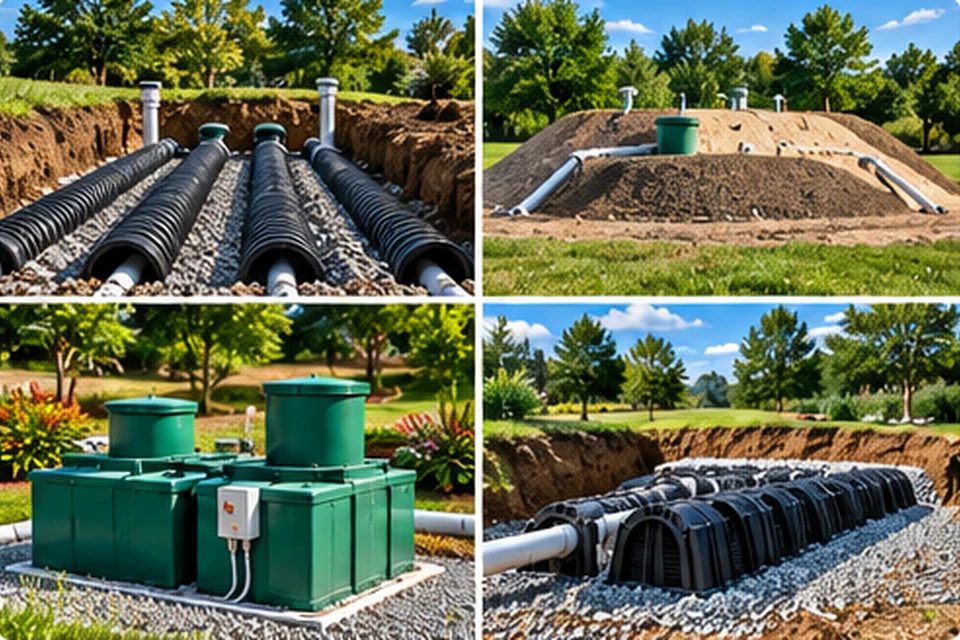
The U.S. EPA describes ten common types of septic systems: the septic tank itself, conventional gravel drain field, chamber, drip distribution, aerobic treatment unit (ATU), mound, recirculating sand filter, evapotranspiration, constructed wetland and cluster systems. Conventional and chamber systems are the simplest and cheapest; HomeAdvisor (2026) puts conventional anaerobic systems at $3,000 to $8,000 and chamber systems at $5,000 to $12,000. Mound and aerobic systems, used where soil or groundwater rule out a conventional drain field, run $10,000 to $20,000 by HomeAdvisor's and Angi's figures.
The main types of septic systems are conventional (gravel drain field), chamber, mound, aerobic treatment unit (ATU), drip distribution, recirculating sand filter, evapotranspiration, constructed wetland and cluster systems. The U.S. EPA groups them as conventional systems, which rely on a septic tank and soil, and alternative systems, which add pumps, air, sand or plants to treat wastewater on sites where a conventional drain field will not work. The EPA’s homebuyer guide draws the same line: a conventional system is a tank, distribution box and drain field, while an advanced treatment system adds a component between the tank and the drain field.
Every type starts with a septic tank. What changes is how the effluent is treated and dispersed after it leaves the tank. For the basics of the tank itself, see how septic systems work.
How do the types of septic systems compare?
Septic system types differ most in cost, space needed, power needs and maintenance. Cost figures below are installed ranges from HomeAdvisor (updated June 2026) and Angi (updated August 2026); where the publishers differ, both are shown.
| System type | How it treats effluent | Typical use | Cost (HomeAdvisor 2026) | Cost (Angi 2026) | Power / maintenance |
|---|---|---|---|---|---|
| Conventional (gravel/stone) | Effluent seeps from pipes in a gravel trench into soil | Single-family homes with suitable soil and room | $3,000–$8,000 (anaerobic) | $3,000–$8,000 | No power; pump the tank |
| Chamber (gravelless) | Open-bottom plastic chambers replace gravel | High water tables, variable loads, scarce gravel | $5,000–$12,000 (avg. $8,500) | $5,000–$12,000 | Usually no power |
| Drip distribution | Timed doses through drip tubing in top 6–12 in. of soil | Shallow soil, clay, slopes | $8,000–$18,000 (avg. $13,000) | $8,000–$18,000 | Needs power, dose tank, filters |
| Aerobic treatment unit (ATU) | Air injected into the tank speeds bacterial treatment | Small lots, poor soil, high water table, sensitive water | $10,000–$20,000 | $10,000–$20,000 | Needs power and lifetime maintenance |
| Mound | Pump doses effluent into a raised sand mound | Shallow soil, high groundwater, shallow bedrock | $10,000–$20,000 (avg. $15,000) | $10,000–$20,000 | Needs power; large area |
| Recirculating sand filter | Effluent pumped over a lined sand filter, then to drain field | High water table, near water bodies | $7,000–$18,000 (avg. $12,500) | $7,000–$18,000 | Needs power; frequent maintenance |
| Evapotranspiration | Lined bed lets effluent evaporate | Arid, hot, sunny climates with shallow soil | $10,000–$15,000 (avg. $12,500) | $10,000–$15,000 | Fails in heavy rain or snow |
| Constructed wetland | Lined cell of gravel, sand and wetland plants | Sites with room for a wetland cell | $5,000–$12,000 (avg. $11,500) | $5,000–$12,000 | Weeding and trimming |
| Cluster / community | Several buildings share treatment and dispersal | Rural subdivisions | Not given | Variable | Shared maintenance |
Fixr’s figures (updated January 2025) run in the same range for most types and add two categories the others skip: pressure distribution at $5,000 to $7,000 and community systems at $9,200 to $15,700, plus $3,400 to $5,100 per added connection. For full price breakdowns, see septic system installation cost.
What is a conventional septic system?
A conventional septic system is a septic tank plus a gravel or stone drain field. The EPA explains that effluent flows through pipes into shallow trenches of gravel or stone covered with fabric, filters through the stone and is treated by microbes in the soil below. The EPA notes a conventional system typically serves a single-family home or small business, but it has a large footprint and may not suit every site. Read more in conventional septic system.
What is a chamber septic system?
A chamber septic system is a gravelless drain field built from connected, open-bottom chambers surrounded by soil. The EPA lists its advantages as easier delivery and construction, and suitability for high water tables, variable loads such as vacation homes, and areas where gravel is scarce; gravelless designs have been in use for over 30 years and can be made from recycled materials. Angi notes chamber systems are generally not ideal for sandy soil. Read more in chamber septic system.
What is a mound septic system?
A mound septic system is a drain field built inside a constructed sand mound above the natural ground. The EPA says mounds are used where soil is shallow, groundwater is high or bedrock is shallow; a pump chamber sends effluent to the mound in doses, and treatment happens as effluent filters through the sand into native soil. Mound systems need substantial space and periodic maintenance. Read more in mound septic system.
What is an aerobic treatment unit (ATU)?
An aerobic treatment unit is a small-scale version of a municipal sewage plant that injects oxygen into the treatment tank to boost bacterial activity. Oklahoma State University Extension describes the typical sequence: a trash tank that separates solids, an aeration tank where an air pump feeds diffusers and aerobic microbes decompose up to 98 percent of solids and dissolved organics, a clarifier, disinfection when the effluent is spray irrigated, and a pump tank that feeds drip lines or spray heads. The EPA says ATUs are useful for small lots, poor soils, high water tables and sites near nutrient-sensitive water, and need regular maintenance for their entire life. Read more in aerobic septic systems and aerobic vs. conventional septic.
What is a drip distribution system?
A drip distribution system spreads effluent through small drip laterals placed in the top 6 to 12 inches of soil, according to the EPA. It needs no large soil mound, but it requires a large dose tank after the septic tank to deliver wastewater on a timed schedule, and it depends on electrical power, which adds expense and maintenance. Angi notes drip systems suit clay, shallow soil or sloped yards.
What is a recirculating sand filter system?
A recirculating sand filter system pumps septic tank effluent under low pressure onto a sand-filled box, often PVC-lined or concrete, before it goes to the drain field. The EPA says sand filters can be built above or below ground, provide a high level of nutrient treatment, suit high water tables or sites near water bodies, and cost more than a conventional system. Angi says the filter requires frequent maintenance and must be replaced every five years. Penn State Extension describes a related design, the subsurface sand filter bed, which can be up to 5 feet deep.
What is an evapotranspiration system?
An evapotranspiration (ET) system lines the drain field with watertight material so effluent evaporates into the air instead of entering soil or groundwater. The EPA says ET systems only work in arid climates with enough heat and sunlight, and that the risk of failure rises with heavy rain or snow.
What is a constructed wetland system?
A constructed wetland system passes wastewater through a lined cell of gravel, sand and wetland plants, where microbes, plants and media remove pathogens and nutrients. The EPA notes it can run by gravity or pressure distribution and may send effluent on to a drain field for final treatment. Angi says wetlands need a large area and regular upkeep such as trimming and weeding.
What is a cluster or community septic system?
A cluster or community septic system serves two or more dwellings or buildings under common ownership and conveys their wastewater to a shared treatment and dispersal site nearby. The EPA notes cluster systems are common in rural subdivisions, and Angi notes households share the maintenance costs.
How do you choose a type of septic system?
The site, not the homeowner’s preference, usually decides the type of septic system. Penn State Extension explains that the permitted drain field type depends on lot size, soil, slope, geology, depth to groundwater and nearby wells. A soil evaluation and percolation test come first; the results tell the designer whether a conventional or chamber drain field will work or whether the site needs a mound, ATU, sand filter or drip system. Permit rules and approved system types vary by state and county, so see septic permits and septic licensing for how approvals work.
Operating cost matters as much as the installed price. Alternative systems with pumps and blowers carry ongoing power and service costs; NC State Extension notes ATU air blowers typically last 3 to 7 years. The EPA puts the average lifespan of a septic system at 15 to 40 years; see how long septic systems last for lifespans by component.
Find a licensed septic installer
Designing and installing any type of septic system is licensed work in most places. You can find a licensed septic company in The Septic Guide’s directory, which matches 27,065 listings to license and certification lists from 26 state agencies, and check the installer’s license before you sign.
Common questions
What is the most common type of septic system?
The conventional septic system, a septic tank plus a gravel or stone drain field, is the traditional standard. Texas A&M AgriLife Extension describes conventional septic systems as traditionally the most commonly used technology for treating household wastewater. The EPA notes a conventional system typically serves a single-family home or small business but needs a large footprint.
What is the cheapest type of septic system?
Conventional gravity septic systems are the cheapest type by every cost publisher reviewed. HomeAdvisor (2026) and Angi (2026) both put conventional anaerobic systems at $3,000 to $8,000, compared with $10,000 to $20,000 for mound and aerobic systems. Site conditions decide what is allowed, so the cheapest system is only an option if the soil passes.
What type of septic system is used when the soil is bad?
Mound systems, aerobic treatment units, sand filters and drip distribution systems are used where soil is shallow, slow-draining or over a high water table. The EPA says mound systems suit shallow soil, high groundwater or shallow bedrock, and ATUs suit small lots, poor soils, high water tables and sites near nutrient-sensitive water.
Which septic systems need electricity?
Drip distribution, aerobic treatment units, mound systems and recirculating sand filters all use pumps or blowers and need electricity. The EPA notes drip systems depend on electrical power, which adds expense and maintenance, and mound and sand filter systems use a pump chamber to dose effluent. Conventional gravity and most chamber systems run without power.
How does the type of septic system affect maintenance?
Alternative septic systems need more maintenance than conventional ones. The EPA says aerobic treatment units need regular maintenance for their entire life, and Angi says recirculating sand filter media must be replaced every five years. NC State Extension notes ATU air blowers typically last 3 to 7 years.
Sources
- Types of Septic Systems (archived January 19, 2025), U.S. Environmental Protection Agency. Accessed October 20, 2026. Ten system types; drip laterals in top 6-12 inches of soil; ATUs need regular maintenance for their entire life
- How Much Does a Septic System or Tank Cost?, HomeAdvisor. Accessed October 20, 2026. Costs by system type, updated June 2026
- 9 Different Types of Septic Systems for Your Home, Angi. Accessed October 20, 2026. Costs by type; sand filter replacement every five years; mound, ET and wetland up to 40 years; updated Aug 2026
- How Much Does It Cost to Install a Septic Tank System?, Fixr. Accessed October 20, 2026. Costs by system type including pressure distribution and community systems, updated Jan 2025
- Aerobic Treatment System (PSS-2275), Oklahoma State University Extension. Accessed October 20, 2026. ATU trash tank, aeration tank, clarifier, disinfection, pump tank; up to 98% of solids and dissolved organics decomposed
- Septic System Basics, Penn State Extension. Accessed October 20, 2026. Standard trenches, seepage beds, elevated sand mounds, subsurface sand filters
- New Homebuyer's Guide to Septic Systems, U.S. Environmental Protection Agency. Accessed October 20, 2026. Conventional vs. advanced treatment systems; average lifespan 15-40 years
- Increasing the Longevity of On-Site Sewage Treatment Systems, NC State Extension. Accessed October 20, 2026. Aerobic tank blowers typically last 3-7 years
- OWTS: Conventional Septic Tank/Drain Field (EL-5234), Texas A&M AgriLife Extension Service. Accessed October 20, 2026. Conventional septic systems have traditionally been the most commonly used technology