The short answer
The main signs of septic system failure, according to the U.S. EPA, are sewage backing up into the home, slow drains, gurgling plumbing, standing water or damp spots over the tank or drain field, sewage odors, and bright green, spongy grass over the system even in dry weather. Most failures trace back to poor maintenance or a system built on unsuitable soil. If sewage backs up, stop using water, avoid contact with the sewage and call a licensed septic professional.
The main signs of septic system failure are sewage backing up into the home, slow drains, gurgling plumbing, sewage odors, standing water or damp spots over the septic tank or drain field, and bright green, spongy grass over the system even during dry weather. Those are the warning signs the U.S. Environmental Protection Agency (EPA) lists for a failing septic system. Any one of them is a reason to have the system inspected; several together usually mean the problem is already serious.
What are the signs of septic system failure?
A failing septic system usually announces itself inside the house first, then in the yard. The EPA’s list of common signs includes:
- Sewage backing up from toilets, drains and sinks into the home’s plumbing.
- Slow drains in bathtubs, showers and sinks.
- Gurgling sounds in the plumbing system.
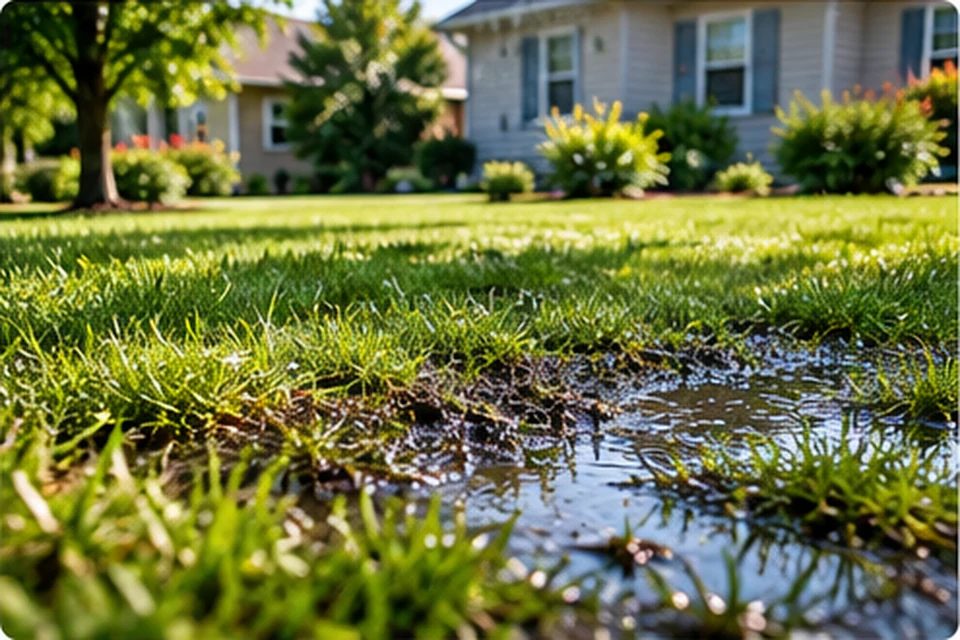
- Standing water or damp spots near or over the septic tank or drain field.
- Sewage odors around the septic tank or drain field.
- Bright green, spongy, lush grass over the septic tank or drain field, even during dry weather.
- A straight pipe discharging untreated wastewater to the ground surface.
- Algae blooms in nearby lakes or ponds.
- High levels of nitrates or coliform bacteria in surface water or drinking water wells.
Clemson Cooperative Extension adds two signs homeowners often miss: cracked or disconnected seals around sinks and toilets, which can point to pressure problems in the system, and any part of the underground system becoming visible above ground. Clemson also notes the opposite of lush grass: dead patches outlining the tank or drain field can mean something in the wastewater is killing plants.
Michigan’s Department of Environment, Great Lakes, and Energy (EGLE) defines the point of failure plainly: a septic system is considered to have failed when sewage backs up into the home or structure or discharges to the ground surface.
Why is my septic system backing up?
A septic system backs up when wastewater cannot leave the house fast enough, either because a pipe is blocked or because the tank and drain field are full. Common reasons include:
- A full septic tank. When sludge and scum fill the tank, solids can block the outlet. The EPA recommends pumping a household tank typically every 3 to 5 years.
- A clogged drain field. Kansas State University Extension explains that solids carried out of the tank can plug the soil absorption field, which can lead to sewage backing up in the house.
- A blocked or broken pipe between the house and the tank, including damage from roots or vehicles.
- A failed pump in systems that pump effluent to the drain field. The EPA notes that many pumps and controls need replacement every 10 to 20 years.
If only one fixture drains slowly, the problem may be a local clog. The Snohomish County Health Department suggests cleaning out the affected fixtures first, then calling a contractor if that does not solve it. If every drain in the house is slow or sewage comes up in the lowest drain, the problem is in the septic system itself.
What should you do when a septic system backs up?
When a septic system backs up into the house, stop using water and call a septic professional right away. Every flush, shower or load of laundry adds more wastewater to a system that cannot take it. Septic manufacturer Premier Tech gives the same first steps for a failing system: stop using water in the home, keep children and pets away from any surfaced sewage, and wear protective gloves and clothing before cleaning anything up.
The EPA’s guidance for sewage backups:
- Avoid contact with the sewage, which may contain harmful pathogens.
- Protect cleanup workers with protective clothing such as long rubber gloves and face splash shields.
- Wash everything that touched the sewage, including tools, clothing and the flooded area.
- Disinfect with a mixture of 90 percent water and 10 percent household bleach.
- Keep the area unused until it has been completely dry for at least 24 hours.
Clemson Extension adds that homeowners should not lean over an open septic tank, because fumes can cause fainting and an open flame could cause an explosion, and should not work alone near a tank. Do not try to mask odors with sprays or perfume; Clemson notes that only hides the symptom. For who to call, the EPA points homeowners to a local septic service provider, the local health department or the onsite wastewater regulatory agency. The septic repair guide covers what typically happens next.
Does a sewage smell mean the septic system is failing?
A sewage smell does not always mean a septic system is failing, but it always means something needs checking. The EPA says odors can have several causes, inside or outside the home, and that a drain field that is not working properly is one possibility. Purdue University Extension states that properly functioning septic systems should not produce odors in the home, and that odors usually signal a correctable problem such as surfacing sewage, a ruptured sewer line or a plumbing vent issue.
Soggy ground is the stronger signal. The EPA describes soft, wet, spongy soil over the drain field without recent rain as a more telling sign of drain field failure than odor alone. The Snohomish County Health Department advises scheduling an inspection if your yard suddenly smells of sewage, and calling a septic professional immediately if sewage is surfacing over the drain field or around the tank.
Why is the grass greener over my septic drain field?
Grass that is noticeably greener, thicker or spongier over the septic tank or drain field means wastewater is reaching the surface or the root zone instead of soaking down through the soil. The EPA lists bright green, spongy, lush grass over the system, especially during dry weather, as a sign of failure, and the Snohomish County Health Department pairs it with soggy ground as a reason to schedule an inspection. Read more about how the septic drain field works and why it fails.
What causes septic system failure?
Most septic system failures come from inappropriate design or poor maintenance, according to the EPA.
Skipped maintenance
Skipping routine pumping is the most common avoidable cause. The EPA explains that solids left in the tank migrate into the drain field and clog it. Kansas State University Extension adds that once the absorption field is plugged, it can fail and sewage can back up into the house. See how often to pump a septic tank for a schedule by tank size.
Unsuitable site or design
The EPA notes that some drain fields are installed in unsuitable conditions, such as inadequate or inappropriate soils, steep slopes or high groundwater. A system built on the wrong site may struggle no matter how well it is maintained.
Physical damage
Clemson Extension notes that tree roots and heavy machinery can crush or break underground pipes. The EPA advises against parking or driving on the drain field and against planting trees or shrubs on it. Kansas State University Extension adds that crusty or soft interior surfaces in a concrete tank suggest deterioration, visible roots suggest leaks, and a tank that cannot be made watertight should be replaced.
Age
Every septic system wears out eventually. Michigan EGLE says a conventional system lasts about 25 to 40 years. The EPA says a concrete septic tank may last 50 years or more, while pumps and controls often need replacement every 10 to 20 years. More detail is in how long septic systems last.
When should you call a septic professional?
Call a septic professional as soon as you notice a pattern of warning signs, and immediately if sewage is backing up into the house or surfacing in the yard. Clemson Extension advises contacting a licensed provider when you see a pattern of these signs, and notes that some problems are not visible to an untrained eye. The Snohomish County Health Department adds that these signs do not necessarily mean the system is failing, but a certified professional should inspect it to determine next steps. A septic inspection is the standard way to find out.
Is a failing septic system a legal problem?
A failing septic system can be a legal problem as well as a health hazard, because states and counties regulate sewage discharges. In South Carolina, for example, Clemson Extension notes that violations of the state’s septic regulation can carry fees of up to $200 or up to 30 days in jail, and that unlicensed individuals may not remove or discharge septage. Rules and penalties vary by state; check your state’s rules through septic licensing by state.
Finding a licensed septic professional
A septic system showing signs of failure needs a hands-on diagnosis from someone licensed to work on it. The Septic Guide lists 28,546 septic companies and licensed septic professionals in 45 states, with 27,065 matched to license or certification lists from 26 state agencies. Find a licensed septic company near you and check the contractor’s license before agreeing to a repair.
Common questions
What are the first signs of septic system failure?
The first signs of septic system failure are usually slow drains, gurgling sounds in the plumbing and sewage odors near the septic tank or drain field. The EPA also lists standing water or damp spots over the system and bright green, spongy grass over the drain field even during dry weather. A septic system that shows these signs should be inspected before sewage backs up into the home.
What should I do if my septic system backs up into the house?
When a septic system backs up into the house, stop using water, keep people and pets away from the sewage and call a septic professional or your local health department. The EPA advises cleanup workers to wear protective clothing such as long rubber gloves and face splash shields, to disinfect with a mix of 90 percent water and 10 percent household bleach, and to keep the area unused until it has been dry for at least 24 hours.
Does a sewage smell always mean the septic system is failing?
A sewage smell does not always mean a septic system is failing. The EPA notes that odors have several possible causes, and Purdue University Extension says odors usually point to a correctable problem such as a plumbing vent issue or a broken sewer line. Soft, wet ground over the drain field without recent rain is a stronger sign of drain field failure.
What causes a septic system to fail?
Most septic system failures are caused by poor maintenance or inappropriate design, according to the EPA. Skipping regular pumping lets solids move from the septic tank into the drain field and clog it, and some drain fields are installed in soils that are too tight, too wet or too steep. Roots and heavy vehicles can also crush or break underground pipes.
Can a failing septic system be repaired?
Many failing septic systems can be repaired, depending on the cause. A clogged line, a failed pump, a broken baffle or a full tank is often a straightforward fix, while a drain field clogged by years of solids may need to be replaced. A licensed septic professional should inspect the system to find the cause before any repair is chosen.
Sources
- Frequent Questions on Septic Systems (January 19, 2025 snapshot), U.S. Environmental Protection Agency. Accessed October 20, 2026. Common signs of a failing system; odor causes; tank and pump lifespans
- What to Do If Your Septic System Fails (January 19, 2021 snapshot), U.S. Environmental Protection Agency. Accessed October 20, 2026. Causes of failure; sewage backup cleanup (90% water / 10% bleach; dry 24 hours)
- How to Care for Your Septic System, U.S. Environmental Protection Agency. Accessed October 20, 2026. Pumping every 3-5 years; drain field protection
- Be Septic Safe: Septic Failures (HGIC 1897), Clemson Cooperative Extension, Home & Garden Information Center. Accessed October 20, 2026. Warning signs incl. broken fixture seals and exposed components; tank safety
- Signs of Septic Failure, Snohomish County Health Department. Accessed October 20, 2026. Warning signs and recommended action for each
- Septic Systems FAQ, Michigan Department of Environment, Great Lakes, and Energy. Accessed October 20, 2026. Definition of failure; conventional system lasts about 25-40 years
- Septic Tank Maintenance: A Key to Longer Septic System Life (MF-947), Kansas State University Research and Extension. Accessed October 20, 2026. Solids carryover plugs the absorption field; tank deterioration signs
- Septic System Additives (HENV-13-W), Purdue University Extension. Accessed October 20, 2026. Properly functioning systems should not produce odors in the home
- Why Your Septic Alarm Is Going Off and What to Do About It, Premier Tech Water and Environment. Accessed October 20, 2026. If the system is failing: stop using water, keep children and pets away from surfaced sewage